

Do I Need a Stent?

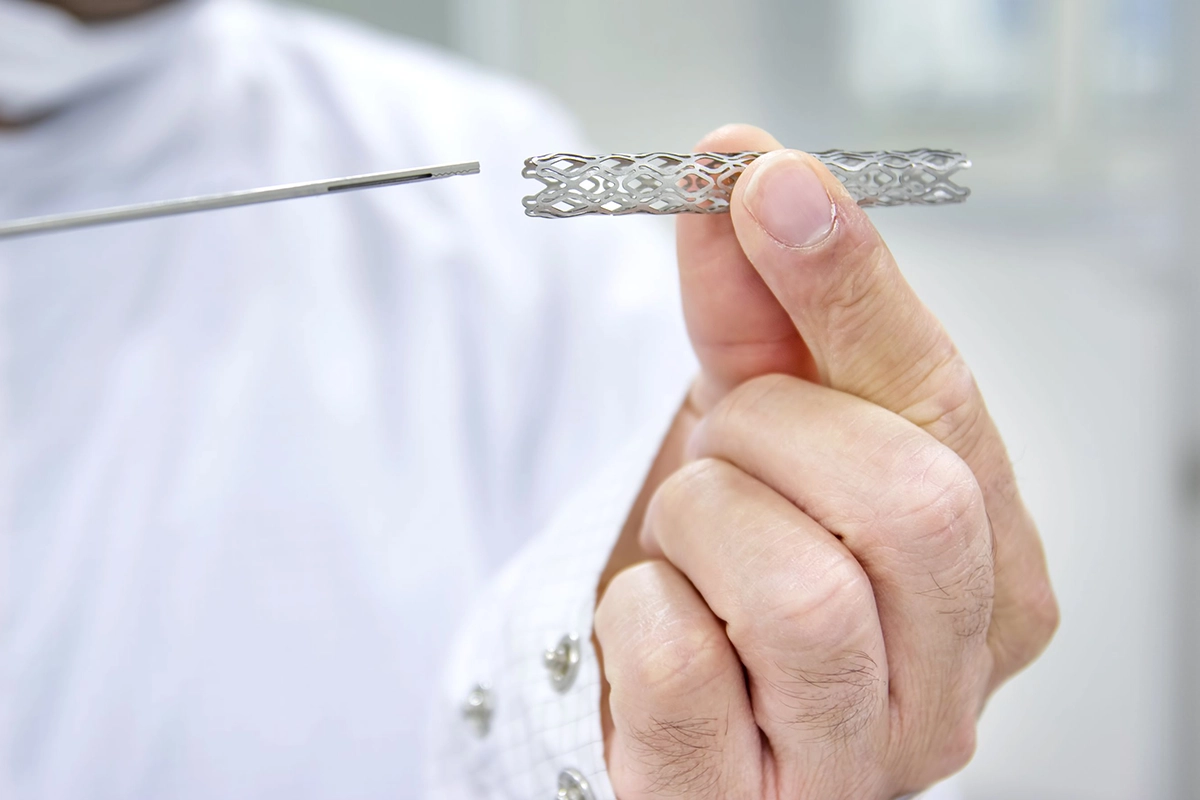
What Is a Stent?
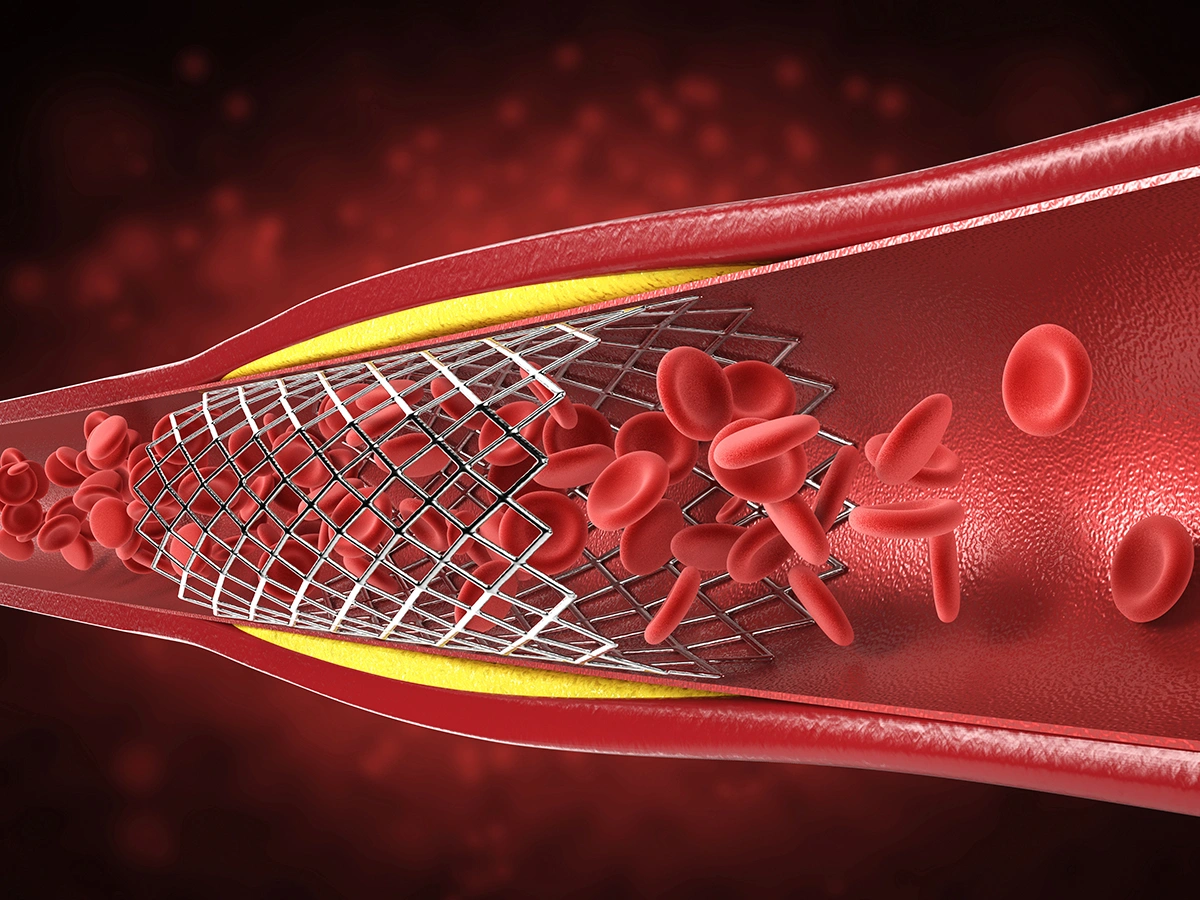
A stent is a small tube that helps keep a narrowed or blocked passage in the body open. In heart care, it is most often used to treat arteries that have become narrowed by plaque.
The stent is placed during a procedure called angioplasty. A small balloon is used to open the artery, and the stent is expanded in place to support the artery walls. Once inserted, the stent remains there permanently to help keep blood flowing smoothly.
There are different types of stents used in the arteries supplying the heart and brain.
Bare-metal stents are simple metal mesh tubes that help keep the artery open
Drug-eluting stents are the most commonly used, especially in heart arteries. They are coated with medication that is slowly released to reduce the risk of the artery narrowing again
Some drug-eluting stents also have a special coating that dissolves over time, leaving the metal structure in place to support the artery.
When Is Angioplasty and Stenting Needed?
Stenting is commonly used to treat conditions that cause narrowing or blockage of the arteries, especially those affecting blood flow to the heart and brain.
Common conditions include:
Coronary Artery Disease (CAD): This is the most common reason for stenting. Plaque buildup in the coronary arteries can reduce blood flow to the heart, leading to chest pain or heart attacks.
Carotid Artery Disease: Narrowing of the carotid arteries in the neck can increase the risk of stroke. In selected cases, a stent may be used to improve blood flow to the brain.
Peripheral Artery Disease (PAD): Narrowed arteries in the limbs, usually the legs, can cause pain and reduced circulation. Stents may be used if symptoms are severe or do not improve with other treatments.
Acute Coronary Syndrome: This includes conditions such as heart attacks or unstable angina, where a coronary artery becomes suddenly blocked. A stent may be placed urgently to restore blood flow.

How Is Stent Placement Decided?
Stents are commonly used because they help keep the artery open and reduce the risk of re-narrowing. When angioplasty has already been planned, the decision to place a stent is usually made during the procedure itself.
A stent is typically recommended if:
- The artery does not remain open after balloon angioplasty
- There is a risk of the artery narrowing again due to elastic recoil
- The artery shows signs of instability, such as tearing (dissection)
- Blood flow remains suboptimal after dilation
When Might a Stent Not Be Suitable?
A stent may not be suitable for every patient, depending on your condition and overall health.
A stent may not be recommended if:
- You cannot take antiplatelet medication needed after the procedure
- The blockage is complex or involves multiple arteries, where bypass surgery may be more appropriate
- The artery is not suitable for stenting, for example if it is very small or heavily calcified
- Your risk of complications is high due to other medical conditions
- Symptoms are mild and can be managed with medication and lifestyle changes
Unsure If You Need a Stent? Get a Second Opinion
Ultimately, the decision to place a stent depends on how severe the blockage is and how the artery responds during angioplasty. In many cases, a stent helps improve long-term blood flow, but it may not always be necessary.
Consult our experienced cardiologist, Dr Eric Hong, for a personalised assessment and second opinion to help you make a confident, informed decision about your treatment.
Frequently Asked Questions (FAQs) on Stenting
Do all blockages require a stent?
What happens if I choose not to get a stent?
Is getting a stent always urgent?
Can I seek a second opinion before deciding?

Our Cardiologist
- MB BCh (Ireland), MRCP (United Kingdom)
- FAMS (Cardiology), FRCP (Edinburgh, UK)
- FACC (ACC, USA), FESC (European Society of Cardiology, France)
- Diplomate Nuclear Board of Cardiology (CNBC, USA)
- Cardiovascular Angiography & Interventions (FSCAI, USA)
Dr Eric Hong has over two decades of experience in diagnosing and treating heart conditions. Trained internationally, including clinical fellowships at Brigham & Women's Hospital, Harvard Medical School, Dr Hong brings global expertise to cardiac care in Singapore.